


Mindfulness Coaching

So I’m launching a new venture called Green Mountains
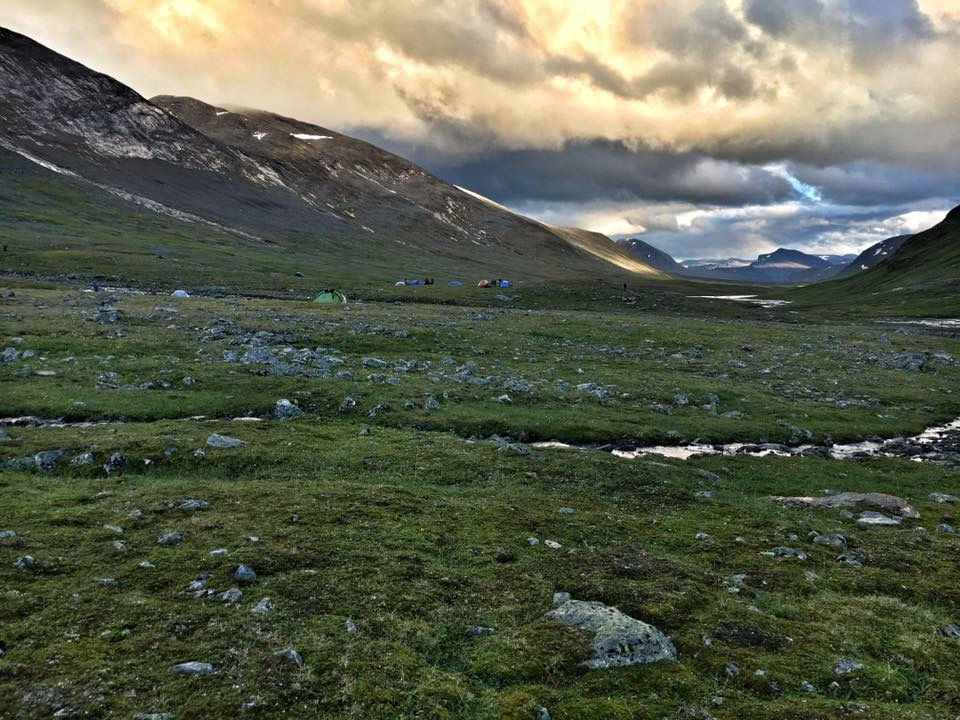
It’s called this because I love being in the mountains, especially in the green of the UK
And one of my favourite short mindfulness practices is called the Mountain Practice
So, that was a bit of a hint! This new offering is as a Mindfulness teacher and coach. I started training as I find that so many of my runners and sports massage patients have busy hectics lives and are often struggling with stress, overwhelm, anxiety, depression and also chronic pain and fatigue, or other health conditions.
Over the past few years I’ve also found my own mindfulness practice incredible useful; in particular to help two health conditions and anxiety levels
So I wanted to extend what I’ve learned, professionally and personally, to help and support others.
What is mindfulness?
Mindfulness is paying attention, non-judgementally, to what is going on in this moment.
This might be paying full attention to nature, to some music, to the experience of drinking a hot drink, for example.
Or it can be more paying attention to what is going on in your brain and body.
The challenge can be that we’ve trained our brains, in modern society, to always be doing stuff. Working, reading, scrolling, watching, thinking, planning etc. So our minds will naturally try and fill that calm space with thoughts, ideas and things to do.
I try to see these things as trains arriving and leaving at a station, we can watch those thoughts arrive, and leave again, we don’t have to “get on the train” by picking up a thought and getting involved with it. We have a choice as to how we engage with our thoughts, and we can make changes to that with practice!
What mindfulness isn’t
Linked to that I think it’s important to explain what mindfulness isn’t. It isn’t sitting cross legged in a zen like state with no thoughts appearing in your mind at all. Firstly being cross legged on the floor isn’t comfortable for most people!
Secondly we all have thoughts, a fairly constant stream of them. Often by trying to ignore of push them away they just get louder. Instead you could choose to treat them kindly, say they aren’t needed now and watch them drift away again. Like watching that train leave the station, or a leaf float on past you down a river.
Mindfulness is a practice, gradually changing our brains (and it really does change the structure of our brains and how the brain regions connect to each there over time. So gradually we can find it easier and easier to just be; to be less reactive, a bit less stressed or overwhelmed, and show ourselves a little more care and gentleness.
Why is mindfulness so important right now?
I feel mindfulness is increasingly important in the modern societies we have now because we seem to be in “doing mode” nearly all of the time. Work is creeping in to our homes lives with working at home and being contactable anywhere. There are apps and feeds designed to keep us scrolling. The constant 24 hour a day news cycle who make money from people watching and clicking.
More and more evidence is building to show that being in “doing mode” all the time is bad for our bodies and minds; linked to higher rates of cardiovascular disease, digestive complaints, mental health conditions and even some forms of caners and pain and fatigue conditions.
Our bodies and brains are not evolved for this sort of “always on” life. Going back just 20 or 30 years the news would arrive daily in a newspaper and work would stay in the place of work. Going back 100 years, most peoples evening would have been gloriously relaxing, as there just wasn’t as much to do!
It’s no wonder we have increasing numbers of people struggling with those health conditions and challenges I mentioned. Society and culture has changed massively and our brains are still the same.
What mindfulness can help with?
Some wonderful studies have confirmed
mindfulness reliably reduces the experience of pain
it can reduce blood pressure and lower the risk of cardiovascular disease
helps lower levels of anxiety and depression
can help prevent and improve stress, headaches and migraine
can reduce mental fatigue in athletes
(links to these studies are on my website)
How can I help?
My goal is to bring a kind, compassionate and bespoke mindfulness approach to each individual I work with.
As a mindfulness coach I can work alongside you, from where you are right now, to weave mindful practice into your life to help support you and improve your wellbeing.
You can find a button to book in for a complimentary chat on how I can help on my website; https://greenmountains.co.uk/services
Or you can email or message me on;
07557 852600
You can follow my new social media channels for information, tips and practises here;
Instagram https://www.instagram.com/greenmountainsmindfulness?igsh=MWY1ZXQ5a2gxajJjaQ%3D%3D&utm_source=qr


Comments